
Is Digital Marketing Really Easy to Learn?
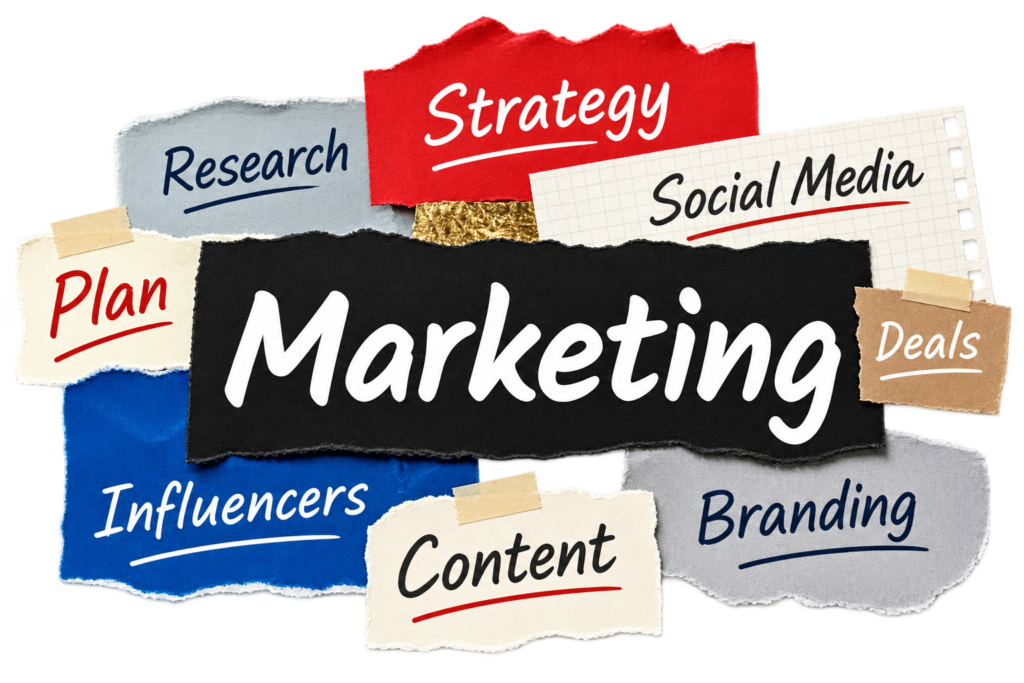
Digital marketing may look easy from the outside. You see people creating Instagram posts, running ads, making reels, writing blogs, and managing social media accounts. But is digital marketing really that easy to learn?
The answer is:It is easy to start,but it takes time to master.
Digital marketing has many different areas, including SEO, social media marketing, content creation, paid advertising, email marketing, analytics, and website marketing. Each area requires different skills, strategies, and practical knowledge.
1.Getting Started Is Easy
- You don’t need to be an expert to begin learning digital marketing. There are plenty of free resources, courses, and tools available online.
You can start by understanding the basics:
- How social media platforms work
- How content attracts an audience
- How search engines rank websites
- How online advertising works
- How businesses use digital platforms to reach customers
The important thing is to start learning and practicing.

2. Learning the Basics Isn’t Enough
- Knowing how to create a post doesn’t automatically make you a digital marketer.
- A good marketer needs to understand why a particular post works, who it is targeting, what action the audience should take, and how the results can be measured.
- Digital marketing is not just about posting content. It’s about strategy, creativity, research, testing, and analyzing results.
3. Practice Makes a Big Difference
- One of the best ways to learn digital marketing is by doing it.
- Create sample campaigns, manage a social media page, experiment with different content formats, learn basic SEO, test advertising strategies, and analyze the results.
- Mistakes are part of the learning process. Every campaign gives you an opportunity to understand what works and what doesn’t.


4.Digital Marketer Keep Changing
- Another reason digital marketing isn’t something you can master overnight is that the industry constantly evolves.
- Social media algorithms change. Advertising platforms introduce new features. Search engines update their systems. New content formats and marketing tools appear regularly.
- That’s why a successful digital marketer needs to keep learning and adapting.
5.Skill Matter More Than Tool
- There are thousands of marketing tools available today, but tools alone won’t make you a good marketer.
You need skills such as:
- Creativity
- Communication
- Content writing
- Market research
- Data analysis
- Problem-solving
- Strategic thinking
- Understanding customer behavior
- Tools can make your work easier, but your knowledge and strategy create the results.

So,Is Digital Marketing Is Easy?
Easy to start? Yes.
Easy to master? No.
Anyone can begin learning digital marketing, but becoming good at it requires consistent learning, practical experience, creativity, experimentation, and patience.
Don’t focus on becoming an expert overnight. Focus on learning one skill at a time, applying what you learn, and improving with every project.
Final Thought
Start small. Keep learning. Keep practicing. Keep improving.
Why Is SEO Important for Every Business?
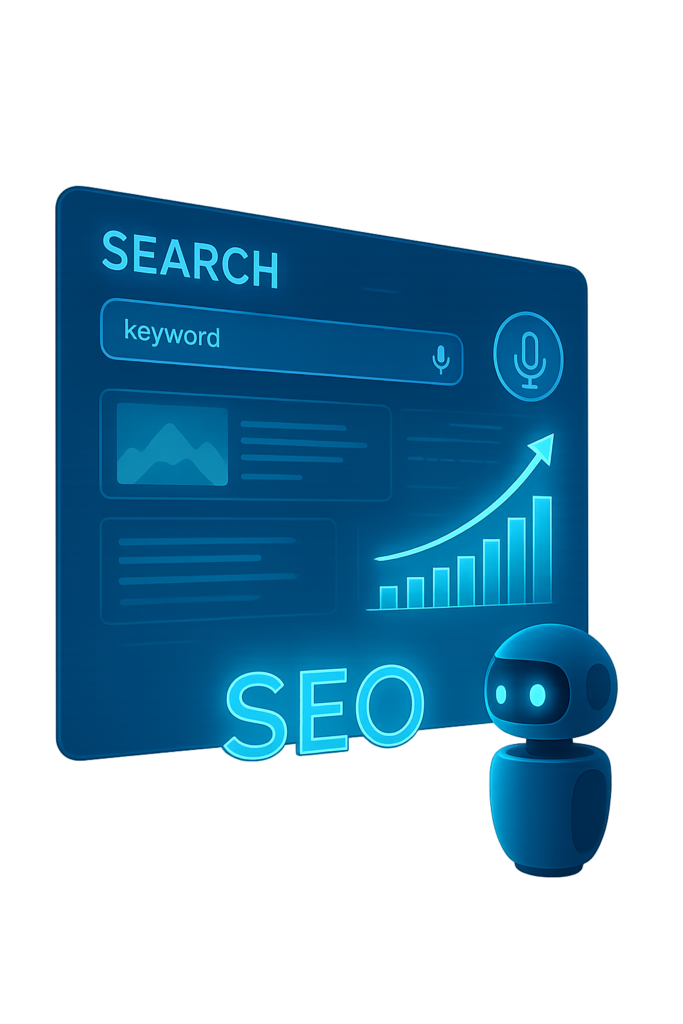
In today’s digital world, having a website is not enough. Your customers need to be able to find your business online when they search for products, services, or solutions. This is where SEO (Search Engine Optimization) becomes important.
SEO helps businesses improve their visibility on search engines like Google, attract the right audience, and build a stronger online presence. Whether you run a small local business, an online store, or a growing company, SEO can play an important role in long-term business growth.
1. SEO Helps Customers Find Your Business
- Most customers search online before making a purchase or contacting a business. If your website appears higher in search results for relevant keywords, potential customers are more likely to discover you.
- For example, if someone searches for “digital marketing agency near me”, businesses with a strong SEO strategy have a better chance of appearing in front of that potential customer.
2. It Brings Relevant Traffic
- SEO is not just about getting more visitors. It is about attracting the right visitors.
- By targeting keywords related to your products or services, SEO can bring people who are already interested in what your business offers. This can lead to better-quality leads and more opportunities for conversions.
3. SEO Builds Trust and Credibility
- People often trust businesses that appear prominently in search results. A well-optimized website with useful content, clear information, good reviews, and a professional user experience can make your business appear more credible.
- Over time, consistently providing valuable content can help establish your brand as an authority in your industry.
4. SEO Provides Long-Term Benefits
- Paid advertising can generate traffic while you are actively paying for campaigns. SEO works differently.
- A strong SEO strategy can continue attracting organic traffic over time. Although SEO requires regular effort and improvement, the results can provide long-term value for your business.
5. It Helps You Complet With Large Business
- SEO gives smaller businesses an opportunity to compete online. You do not always need the biggest budget to attract customers.
- By focusing on specific keywords, local SEO, useful content, and a well-optimized website, smaller businesses can reach highly targeted audiences.
6. SEO Supports Local Businesses
- For businesses that serve a specific location, local SEO can be extremely valuable.
- Optimizing your online presence for local searches can help potential customers discover your business when they search for nearby services or products.
- For example, a customer searching for “best salon in Ahmedabad” is likely looking for a local business they can visit. Appearing in relevant local search results can help turn online searches into real customers
7.SEO Improves The User Experience
- Good SEO is not only about keywords. Search engines also value websites that provide a good experience for visitors.
- SEO encourages businesses to improve areas such as:
- Website loading speed
- Mobile responsiveness
- Website navigation
- Content quality
- Page structure
- Internal linking
- Accessibility
- These improvements can make it easier for customers to find information and interact with your business
8. SEO Helps You Understand Your Customers
- SEO provides valuable insights into what people are searching for.
- By analyzing keywords, search trends, website traffic, and user behavior, businesses can better understand customer needs and create content or services that match those needs
- This information can also support broader marketing and business decisions.
9.SEO Can Increase Conversions
- Getting visitors to your website is only the beginning. The goal is to turn those visitors into customers.
- When your website appears for relevant searches and provides useful information, visitors are more likely to take action—such as making a purchase, submitting an inquiry, booking a service, or contacting your business.
10. Your Competitors Are Already Using SEO
- One of the biggest reasons to invest in SEO is simple: your competitors may already be doing it.
- If competing businesses are appearing in search results while your website is difficult to find, you could be losing potential customers before they even discover your brand.
- A consistent SEO strategy helps your business stay competitive in an increasingly digital marketplace.
Conclusion
SEO is no longer just an optional marketing technique. For many businesses, it is an important part of building a strong and sustainable online presence.
From increasing visibility and attracting relevant traffic to building credibility and generating leads, SEO can support businesses at different stages of growth.
The businesses that invest in being visible where their customers are searching today have a stronger opportunity to grow tomorrow.
Final Thought
SEO is not about ranking first overnight. It is about building visibility, trust, and sustainable growth over time.
How Social Media Marketing Helps Businesses Grow
In today’s digital world, social media has become an important part of business marketing. Platforms like Instagram, Facebook, LinkedIn, and YouTube allow businesses to connect with their target audience, promote their products or services, and build a strong online presence.
Social media marketing is not just about posting content regularly. With the right strategy, it can help businesses increase brand awareness, attract potential customers, build trust, and generate sales.
1.Increases Brand Awareness
- Social media helps businesses introduce their brand to a larger audience. By consistently sharing valuable and engaging content, businesses can make more people aware of their products, services, and brand identity.
- A strong social media presence also helps customers remember your business when they are ready to make a purchase.
2.Reaches The Right Audience
- Social media platforms provide powerful targeting options. Businesses can reach people based on factors such as interests, location, age, behavior, and online activity.
- This makes it easier to connect with potential customers who are more likely to be interested in what the business offers.

3.Build Customer Trust
- People often look at a business’s social media presence before deciding whether to trust it. Regularly sharing useful content, customer reviews, behind-the-scenes content, and business updates can make a brand feel more authentic and reliable.
- Engaging with comments and messages also shows customers that the business values them.
4.Increases Website Trafiic
- Social media can be an effective way to bring visitors to a business website. Businesses can share blog posts, product pages, landing pages, offers, and other useful resources through their social media profiles.
- More qualified traffic can create more opportunities for leads and conversions.
5. Generates Leads and Sales
- Social media can directly support business growth by generating leads and encouraging purchases. Businesses can use promotional posts, advertisements, product showcases, lead-generation campaigns, and strong calls to action to encourage people to take the next step.
- With proper targeting and tracking, social media marketing can become an important part of the sales process.
6.Improves Customer Engagement
- Unlike traditional advertising, social media allows businesses to communicate directly with their audience. Customers can comment, ask questions, send messages, and share feedback.
- This two-way communication helps businesses understand their customers better and build stronger relationships.
7.Give Businesses A Competitive Advantage
- A professional and active social media presence can help a business stand out from competitors. Businesses that consistently create valuable content and engage with their audience can build a stronger digital presence within their industry.
- It also allows businesses to observe competitors, identify trends, and discover new content opportunities.
8. Provides Valuable Customer Insights
- Social media analytics can provide useful information about what customers like and how they interact with content. Businesses can track metrics such as reach, engagement, clicks, leads, and conversions.
- These insights help marketers understand what works and improve future marketing strategies.
Conclusion
Social media marketing can help businesses do much more than simply gain followers. It can increase brand awareness, reach the right audience, build customer trust, generate leads, increase website traffic, and support sales.
However, success does not come from posting randomly. Businesses need a clear strategy, consistent content, audience understanding, and regular performance analysis. When used correctly, social media marketing can become a powerful tool for long-term business growth.